
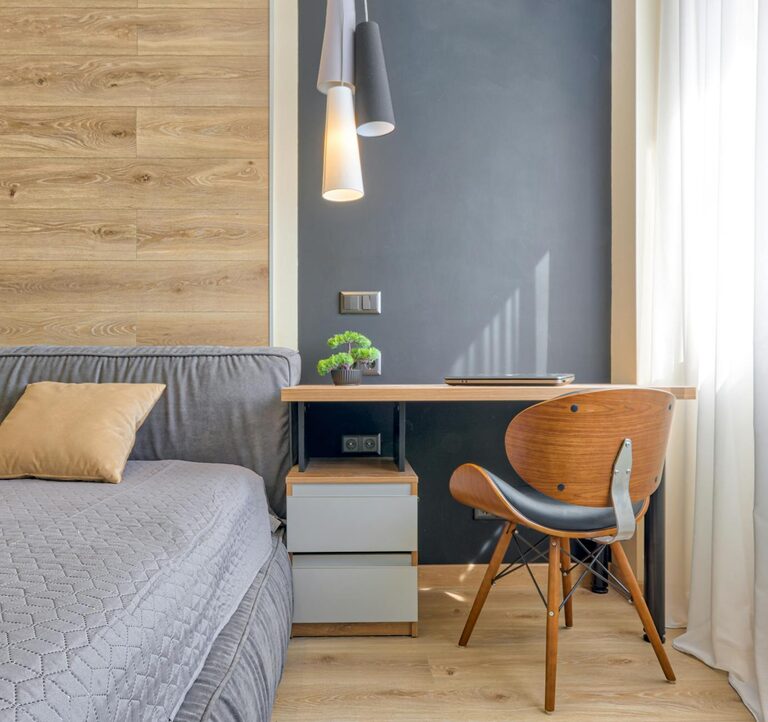
Creating a relaxing home workspace is essential for maintaining focus, reducing stress, and improving overall productivity. Whether you work remotely full-time or occasionally handle tasks at home, your environment plays a key role in how well you perform and feel throughout the day. In this blog post, we’ll explore practical steps to design a calming and efficient workspace that invites relaxation and creativity.
Why a Relaxing Workspace Matters
When your workspace is cluttered or uncomfortable, it can lead to distractions, frustration, and burnout. On the other hand, a well-designed area helps you stay organized, reduces mental fatigue, and encourages a positive mindset. By intentionally crafting your home office or workspace, you create a place where work feels less like a chore and more like an enjoyable part of your day.
Choosing the Right Location
Find a Quiet Spot
Start by selecting a part of your home that is as quiet and free from distractions as possible. If you can dedicate a separate room, that’s ideal. If space is limited, try carving out a nook in a less trafficked area.
Maximize Natural Light
Natural light boosts mood and energy levels, so position your workspace near a window if possible. Avoid glare on your screen by angling your desk or choosing appropriate window treatments like sheer curtains or blinds.
Consider Privacy
Your workspace should feel like a personal retreat. Use room dividers, plants, or bookshelves to create boundaries and remind yourself when it’s time to focus — and when it’s time to unwind.
Ergonomics for Comfort and Health
Invest in a Good Chair and Desk
An ergonomic chair with proper lumbar support helps you maintain good posture, reducing back and neck pain. Pair it with a desk at the right height to keep your arms and wrists comfortable while typing.
Use an Adjustable Monitor or Laptop Stand
Position your screen at eye level to minimize strain on your neck and eyes. Adjustable stands or monitor risers are affordable tools that make a big difference.
Keep Essentials Within Reach
Organize your most-used items — like pens, notebooks, or chargers — close by to minimize unnecessary movement and maintain your flow.
Creating a Calm Ambiance
Choose Soothing Colors
Colors influence mood. Soft blues, greens, or neutral earth tones promote calmness and focus. Use these shades on walls, furniture, or accessories.
Add Natural Elements
Plants improve air quality and bring life to your workspace. Select easy-care plants like succulents or pothos to create a refreshing atmosphere.
Control Lighting
In addition to natural light, use warm, adjustable lighting to reduce eye strain and create a cozy feel during evening hours. Desk lamps and floor lamps with dimmers offer flexibility.
Organizing for Clarity and Peace of Mind
Declutter Regularly
A clutter-free desk reduces distractions. Spend a few minutes at the end of each day tidying your workspace to start fresh the next morning.
Use Storage Solutions
Shelves, drawer organizers, and containers help you keep papers and supplies neat and accessible. Label boxes or folders to find things quickly.
Digital Organization
Maintain a clean digital workspace by organizing files, unsubscribing from unwanted emails, and using productivity apps to keep track of tasks.
Personalizing Your Space
Add Inspiring Art or Quotes
Decorate with images or words that motivate you without overwhelming the area. A simple print or framed quote can uplift your mood.
Incorporate Comfortable Textiles
Consider a soft rug, cozy throw blanket, or cushioned chair pad to add warmth and tactile comfort.
Play Soothing Background Sounds
If silence feels too stark, soft background music or nature sounds can enhance relaxation and concentration.
Maintaining Your Relaxing Workspace Routine
Set Boundaries for Work and Rest
Create clear start and end times to help your brain associate the space with focused work during certain hours, and relaxation afterward.
Take Regular Breaks
Use breaks to stretch, move around, or step outside. This refreshes the mind and prevents burnout.
Adjust Your Setup as Needed
Periodically assess your workspace comfort and functionality, making changes to improve your experience over time.
—
By thoughtfully designing your home workspace with relaxation and focus in mind, you create an environment that supports your well-being and productivity. Small adjustments, from lighting to organization, can have a big impact on how you feel and work each day. Start with these tips, personalize your space, and enjoy the benefits of a calming, comfortable workspace at home.